
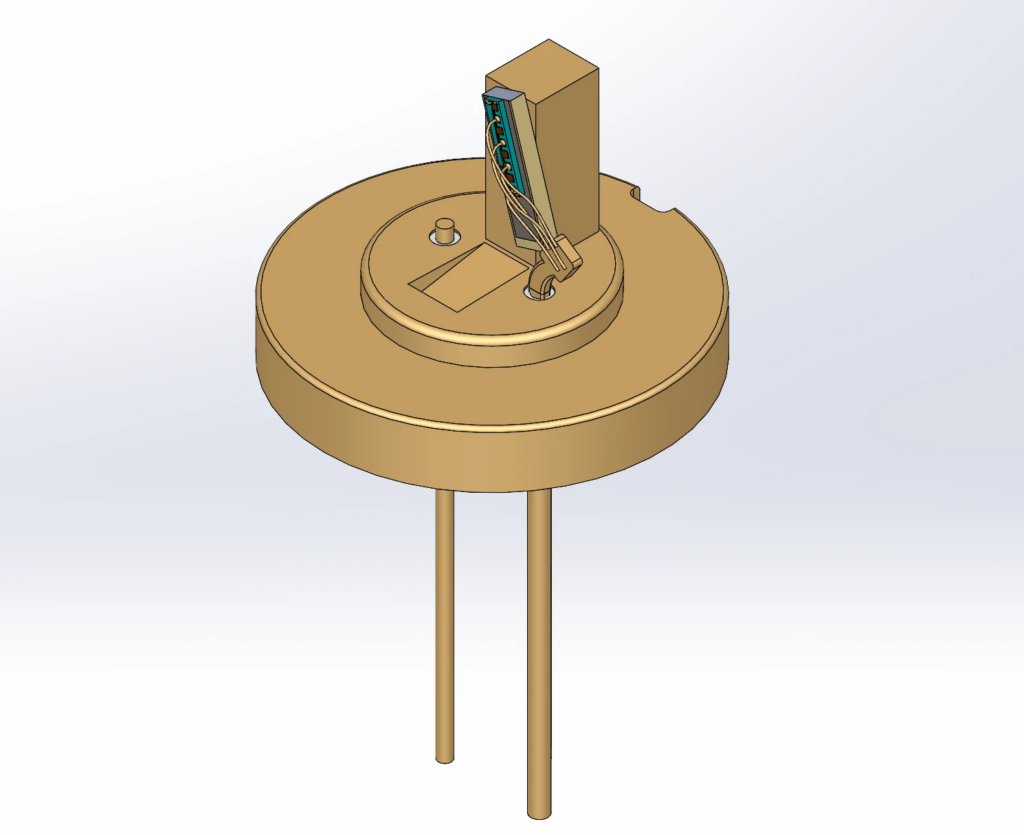
In laser systems, output power directly affects energy delivery, drive electronics, thermal design and optical integration. Choosing a suitable diode requires more than matching a nominal power rating to an application. Wavelength, spectral characteristics and coupling efficiency also determine how effectively the component performs within a particular optical setup.
A 500 mW diode can serve demanding applications, from fiber amplifier pumping to specialized measurement systems. However, its suitability depends on the operating conditions and technical requirements of the entire system. Understanding these factors helps engineers select a source that meets performance expectations without unnecessary compromises in system design.
Where 500 mW Output Makes a Difference
High-power semiconductor diodes are used when a system needs a defined level of optical energy. Depending on wavelength and configuration, they can pump fiber amplifiers, support fiber lasers, or serve sensing and test equipment.
Innolume lists 500 mW fiber-coupled Fabry–Perot diodes for bismuth-doped fiber amplifier pumping, sensors, and test and measurement. Its 500 mW FBG devices include models specified for Raman amplifier pumping and fiber laser applications. Selection should follow the intended use, not the power figure alone.
Choosing the Right Power Level
Not every setup requires the same output. A 100 mW laser may be sufficient for systems with lower power demands, while a higher-output diode can be appropriate when additional pump power is needed. The choice also affects drive current, heat dissipation and optical alignment. Required power should be assessed at the relevant point in the optical path, not inferred from the diode rating alone.
Engineers typically compare:
- Wavelength and tolerance, matched to the gain medium, fiber or measurement target.
- Output power and drive current, considered alongside electrical and thermal limits.
- Spectral bandwidth, relevant to wavelength-sensitive systems.
- Package and coupling format, selected for the optical interface.
Exact operating conditions vary by model and should be checked in its datasheet.
Packaging and System Integration
Fiber-coupled devices can simplify connection to compatible optical paths, while TO packages may suit different mechanical and thermal designs. Optional features, such as a monitor photodiode, can affect diode control.
Before selecting a source, the team should define:
- Required wavelength and output level.
- Operating temperature and thermal limits.
- Fiber, connector and package dimensions.
From Component Selection to a Custom Solution
Innolume GmbH develops and manufactures semiconductor laser diodes using Quantum Dot and other semiconductor technologies. Its portfolio includes 500 mW products in fiber-coupled and TO packages. In-house R&D and a full production cycle support standard components and customer-specific development. Its specialists can help identify a suitable product or discuss customization.