
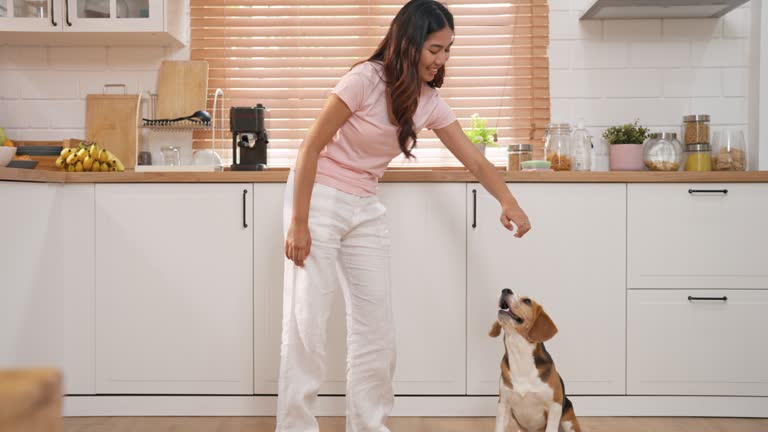
A happy, healthy dog needs more than occasional walks and a full food bowl. Small daily habits influence everything from physical fitness and digestion to behaviour and emotional well-being.
The good news is that keeping your dog healthy doesn't require complicated routines. Simple actions, such as providing balanced meals, encouraging play, and checking for unusual behaviour, can make a meaningful difference.
Here are ten everyday habits that can help your furry companion stay comfortable, active, and content.
Build a Healthy Daily Routine for Your Dog
Dogs benefit from consistency, especially when it comes to eating, exercising, and resting. Establishing predictable routines also makes it easier to notice changes that might indicate a health problem.
1. Feed Your Dog a Balanced Diet
Proper nutrition supports healthy muscles, digestion, skin, and overall development. However, different dogs have different nutritional requirements depending on their age, size, activity level, and medical conditions.
When comparing options for the best dog food, look for complete and balanced nutrition appropriate for your dog's life stage.
Measure portions rather than guessing. Overfeeding can contribute to unwanted weight gain, even when the food itself is nutritious.
2. Make Daily Exercise a Priority
Regular physical activity helps dogs maintain healthy body weight, muscle strength, and mobility.
Exercise requirements differ considerably between breeds and individual dogs. An energetic young dog may enjoy longer walks, while an older dog might prefer shorter, gentler outings.
Pay attention to your dog's breathing, energy, and willingness to continue. Avoid strenuous exercise during extreme heat, and always provide opportunities to rest.
3. Keep Fresh Drinking Water Available
Dogs need regular access to clean drinking water to support normal body functions and temperature regulation.
Wash water bowls daily and refill them whenever necessary. During warm weather or after exercise, check that your dog has enough water available.
Sudden changes in drinking habits deserve attention. Excessive thirst or unusually low water intake can sometimes indicate an underlying health issue.
Support Mental Health and a Comfortable Home
Physical fitness is only one part of responsible dog care. Dogs also need mental stimulation, security, and a living environment that supports their natural behaviour.
4. Include Interactive Playtime
Playtime provides exercise while helping dogs practise problem-solving and build positive relationships with their owners.
Try activities such as fetch, scent games, or food puzzles. Rotating toys occasionally can help maintain interest without constantly purchasing new ones.
Choose toys appropriate for your dog's size and chewing habits, and supervise activities involving small or breakable pieces.
5. Maintain a Clean Living Environment
A clean home reduces exposure to dirt, waste, and potential household hazards.
Wash bedding regularly, clean feeding areas, and keep household chemicals away from curious pets.
In homes with both dogs and cats, maintaining separate pet-care areas can also help reduce unnecessary stress. Choosing the best cat litter for household needs may help keep shared spaces cleaner, while placing litter boxes somewhere dogs cannot access them.
6. Give Your Dog a Quiet Place to Rest
Dogs need uninterrupted sleep and comfortable places where they can relax.
Provide a suitable bed in a quiet area away from excessive household activity. Puppies, older dogs, and dogs recovering from illness may need additional rest.
Avoid disturbing your dog while sleeping, and teach children to respect the animal's resting space.
Practise Preventive Care and Positive Interaction
Daily observation can help owners recognise problems before they become more serious. Combining basic hygiene with positive interaction also supports long-term health and confidence.
7. Check Teeth, Ears, and Paws
Small health checks can become part of your regular routine.
Look for damaged nails, irritated paws, unusual ear discharge, or changes in gum appearance. Brush your dog's teeth regularly using dog-safe toothpaste, ideally every day.
Contact your veterinarian if you notice persistent bad breath, swelling, pain, or unusual discharge.
8. Maintain Consistent Feeding Habits
Feeding pets at predictable times can make daily care easier and help owners monitor appetite.
For households with multiple pets, separate feeding areas are particularly useful. Dogs and cats have different nutritional requirements, so their meals should not be treated as interchangeable.
For example, orijen cat food is formulated for feline nutrition rather than serving as a regular diet for dogs.
Keep food containers securely closed and prevent pets from eating one another's meals.
9. Practise Positive Training Every Day
Short training sessions help reinforce desirable behaviour while providing mental stimulation.
Use rewards, praise, and patience when teaching basic commands such as sit, stay, and come.
Keep sessions brief and finish while your dog remains interested. Avoid punishment-based methods that may cause fear or damage trust.
10. Watch for Changes in Behaviour
Your dog's everyday behaviour can provide useful clues about their health.
Pay attention to appetite, activity levels, bathroom habits, and social interaction. Sudden withdrawal, persistent scratching, limping, or unusual tiredness should not be ignored.
Arrange routine veterinary appointments and follow professional recommendations for vaccinations, parasite prevention, and dental care.
Conclusion
Keeping your dog happy and healthy comes down to consistent care rather than occasional big efforts. Balanced nutrition, daily exercise, mental stimulation, proper hygiene, and regular health checks all contribute to a better quality of life.
Start with a few manageable habits and gradually build a routine that suits your dog's individual needs. Paying attention to small changes and responding with care can help your companion enjoy a healthier, more comfortable life.