
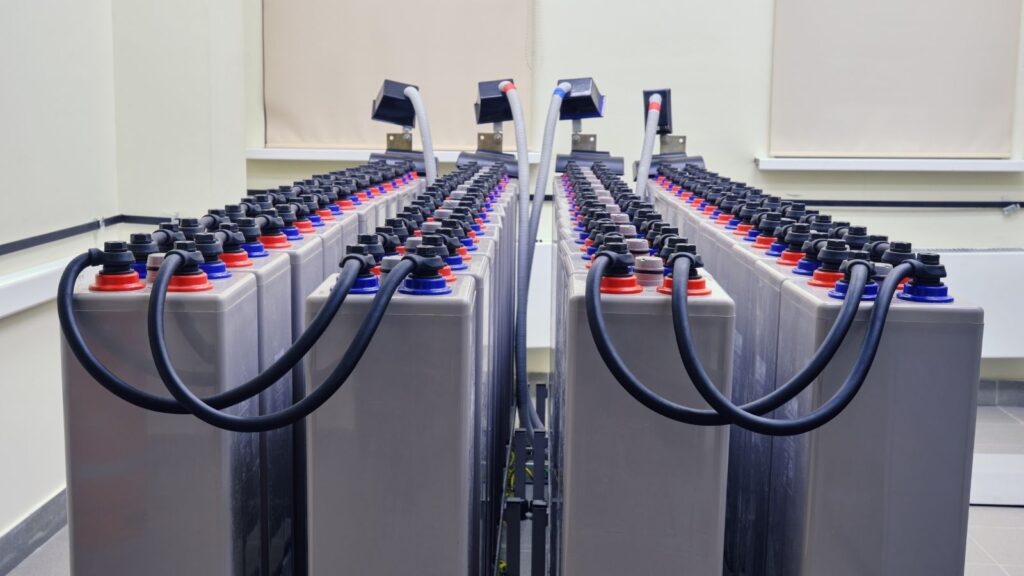
Home battery back-ups are becoming a regular and required home aspect since more power outages are evident, energy costs are rising and the adoption of solar energy is increasing. However, these systems are not meant to be unreliable, yet it is the quality of maintenance and its frequency that make or break their performance in the long-run.
Ineffective or improper maintenance may result in battery capacity loss, premature interruptions, decreased life span, and even danger (heat or electrical causes). These problems are many, and most of them are slow-developing and can be missed along the way until there are major performance declines in the system.
This manual is specifically targeted at practical maintenance, inspection procedures, a schedule of maintenance, and good practices homeowners can consider to maintain their investment and have stable backup power over a long period of time.
2. Understanding Maintenance Requirements (Brief Context Only)
The maintenance requirements are based on battery chemistry. Lithium-ion and Lithium Iron Phosphate (LFP) batteries do not necessarily need as much hands-on maintenance as traditional lead-acid batteries, but they are not maintenance-free. All the chemistries react differently to temperature, charge cycles, and environment.
The maintenance also depends on the system design. Some of the protections can be automated by integrated residential systems with smart monitoring, but more frequent physical checks are necessary in modular or hybrid systems. Whichever the design, regular maintenance is essential to the sustainability.
3. Routine Visual and Physical Inspections
One of the most effective, but simple maintenance measures homeowners can implement is an inspection that will be done monthly.
Key items to check include:
1. No cracks, swellings, or deformity of the battery casing.
2. Cable connections should be secured so as not lose.
Enclosures of batteries must never be obstructed or wet. It is advisable not to keep household articles in and around the house that may limit or create dust and humidity.
4. Temperature and Environment Management
Most residential battery systems operate best within a moderate temperature range, typically between 15°C and 30°C (59°F to 86°F).
Overheating is a factor that hastens chemical degradation, whereas long cold reduces the capacities and efficiency. This will result in a high humidity that contributes to corrosion and electrical faults.
5. Billing, Discharging, and Usage BP.
Extreme charge behavior is one of the most significant maintenance practices that needs to be avoided. Repeated Deep discharges and cycling at full capacity put a very unwarranted pressure on battery cells.
Best practices include:
1. Holding the depth-of-discharge within moderate limits.
2. Does not allow itself to operate at full capacity at 100 percent or no load at 0 percent.
3. Prioritizing important loads in case of an outage.
In the case of solar + battery systems at homes, balanced charging profiles are essential. By permitting the system to self-cycle to include solar input as opposed to imposing violent charge or discharge patterns, these are beneficial towards maintaining long-term capacity.
6. Software, Firmware, and System Health Monitoring
Firmware updates have been included as a significant aspect, which is usually ignored but is very crucial to battery life. To optimize charge algorithms, enhance safety controls, and address performance problems, manufacturers provide updates.
The health indicators that the homeowners need to check include:
A. State of charge (SOC)
B. Charge/discharge efficiency
C. Error codes or system alerts
Installation of alerts is used to make sure that small problems like voltage abnormalities or communication errors are handled before they become big problems.
7. Inverter and Electrical Connection Checks
The electrical components and inverter influence the battery performance and safety directly. Regular inspections must exist to:
1. Energetic state and reactivity.
2. Symptoms of overheating at the points of connection.
3. Loose or aging wiring
Even though these components can be checked visually by the house owner, any sign of electrical overheating, e.g., repetitive breaker tripping, or burning smell, requires intervention by a trained technician. Simple checks are good; however, electrical repairs should never be faked.
8. Suggested Routine of Maintenance
An efficient maintenance schedule makes the systems efficient.
Monthly
A. Batteries and cables- Visual examination of cables and batteries.
B. Check ventilation and cleanliness of the enclosures.
C. Review system alerts
Quarterly
A. Analyze efficiency statistics and trends of performance.
B.Assure the presence of up-to-date firmware.
C.Check inverter connections.
Annually
A. Professional inspection and testing of electricity.
B. Checking capacity and safety inspection.
C. Environmental assessment
After all, it is always good to follow the recommendations of the manufacturer in terms of maintenance schedules, especially those associated with the warranty.
9. Popular Maintenance errors that decrease battery life
1. Disregard of small signals or warning codes.
2. Obstructing the circulation of air with articles stored.
3. Exceeding the capacity of the system.
4. Trying to do it yourself and invalidating warranties.
Although the change may have good intentions, it can be irreversibly harmful as long as it does not adhere to the instructions given by the manufacturers.
10. When Professional Maintenance Is Required
The maintenance of the professional is necessary in case the work performance is gradually reduced or abnormal behavior is manifested. Warning signs include:
1. Persistent overheating
2.Swelling or deflation of batteries.
3. Noticeable capacity loss
4. Abusive charging habits.
Another essential area is the professional assistance in battery replacement and capacity upgrades preparation to make sure the system is compatible and safe.
11. Maintenance, Warranty, and Long-Term Value
The warranties of most manufacturers require the maintenance to be documented. Coverage can be invalidated by omission of inspections and unauthorized repairs.
Service record keeping, inspection history, and update history are ways of safeguarding your investment. Regular maintenance not only offers usable battery life but also the greatest amount of return on investment due to consistent performance and a reduced number of replacements.
In the case of homeowners who are interested in trusted and well-developed solutions, such systems as EPEVER and EPEVER residential battery backup may be of great use with regular, manufacturer-synchronized maintenance works.
Final Thoughts
A residential battery backup system is not a complicated thing to maintain, but it must be consistent. Routine check-ups, the correct level of environmental control, intelligent use habits, and appropriate, timely professional assistance will all help in the long-term reliability.
Through a regimented maintenance schedule, a homeowner is able to save on operating expenses, prevent last-minute failure, and be able to have reliable backup power during the times it is most required. Regular attention is what takes a battery system and turns it into a long-term source of energy.