
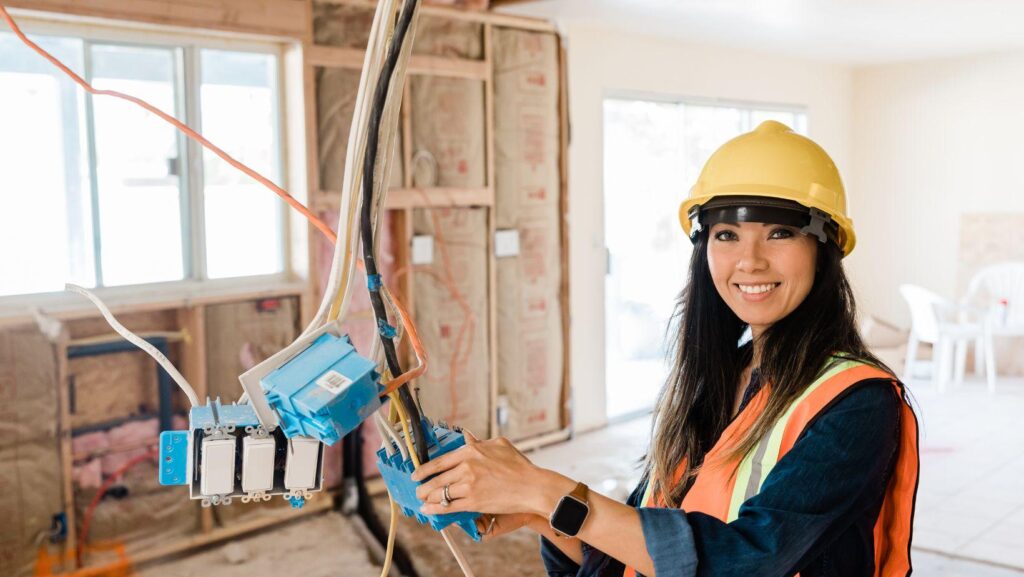
Home renovations often involve changes to flooring, cabinetry and paint, while electrical systems are sometimes not addressed. Wiring improvements are a basic part of a successful renovation. When homeowners update electrical systems early, they lower risks and make the system more reliable. Modern lifestyles require more power – older wiring is often not sufficient. Addressing these issues during renovation helps make homes safer plus more efficient.
Electrical Safety Considerations
Older wiring is often unable to manage modern electrical loads – this situation can cause overheating, frequent breaker trips and fire risks. Renovation projects often reveal hidden problems, like damaged insulation or incorrect connections. Ignoring these risks during a project can make the entire home less safe. Updating the wiring during the renovation process helps prevent electrical failures and supports safety in daily life.
Importance of Early Electrical Assessment
An electrical inspection before renovation begins is helpful to identify system weaknesses. Homeowners often ask professionals, like Electrician Winnipeg, to check if current wiring is standard. An early assessment ensures that workers fix hidden issues before they close walls or install finishes – this method reduces the need for expensive repairs later but also maintains safety during the renovation.
Capacity & Future Demand
Modern households use many electrical devices, like smart appliances, entertainment systems and office equipment. Older wiring systems are not for this level of use, which can lead to overloaded circuits and inconsistent power. Upgrading the wiring during renovation ensures the home is able to support power needs without strain – this strategy makes the system more functional as well as reliable.
System Upgrades for Long Term Performance
A full electrical service upgrade is a way to improve how power moves through the home – these updates may include new circuits, a larger panel capacity and the replacement of old materials. Improvements help prevent power interruptions and lower the risk of failure when power use is high. Planning the upgrades during a renovation allows homeowners to finish electrical work without damaging new surfaces.
Renovation Planning Integration
Effective planning is a process that requires coordination between electrical work or design changes. Professionals are able to determine wiring routes, outlet placement and lighting layouts early – this step ensures that electrical systems are appropriate for how people use each room. Proper integration prevents the need for adjustments later and allows the project to move forward easily.
Improving Functionality Through Strategic Placement
Renovations are an opportunity to improve where electrical access is located. Adding outlets in useful places next to improving lighting zones makes a home more functional. Careful wiring design supports daily convenience and reduces the need for extension cords – these changes create living environments that are more practical and easier to change.
Long-Term Value & Efficiency
Homes with updated wiring are often more appealing to buyers because they are safe plus require less maintenance. Electrical improvements made during a renovation can increase the price of a property – meeting modern standards. Efficient wiring is also helpful for energy conscious living, which is a common priority in the current housing market.
Ensuring Compliance & Future Readiness
Electrical codes change over time and older systems are often not compliant with current rules. Updating wiring during a renovation ensures the home follows safety regulations and reduces the risk of failed inspections. It also prepares the house for new technology but also higher energy needs – this preparation helps homeowners avoid the need for more upgrades in the future.
Conclusion
Prioritizing wiring during a renovation is a practical choice that improves safety and value. By fixing electrical systems at the same time as visible changes, homeowners create more reliable living spaces. Proper planning and timely updates ensure that homes are ready for modern needs while reducing the risks of old infrastructure.