
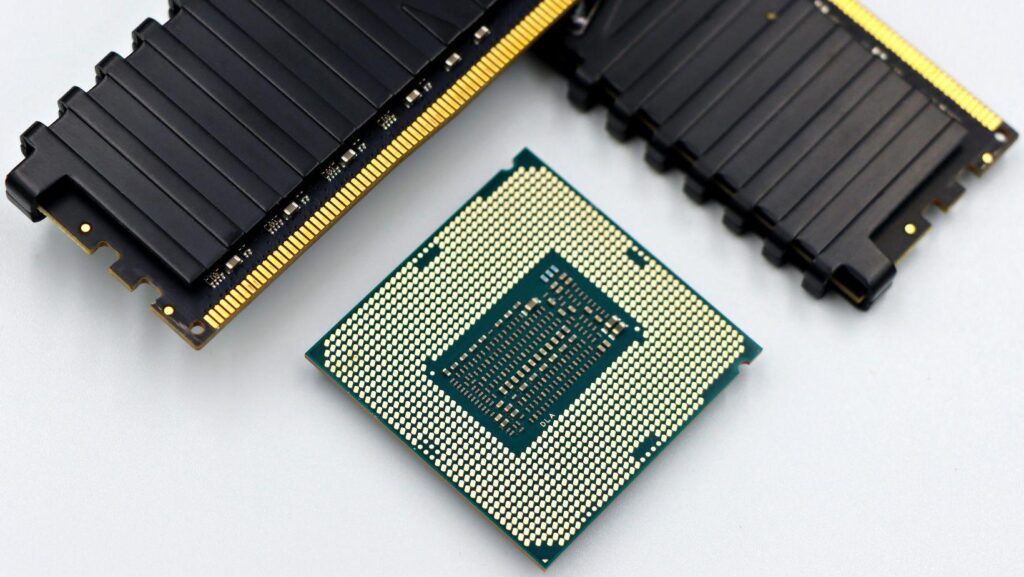
Old memory modules pulled from an upgraded desktop or a retired laptop don’t have to sit unused once a computer’s been repaired or replaced. RAM holds resale value longer than many people assume, but figuring out the best place to actually sell it involves weighing a few different channels against each other, and understanding how specifications, condition, and current market demand affect what any of them will actually pay. A stick of memory that’s genuinely valuable at one outlet might barely register at another, and testing it properly before listing anywhere changes the outcome more than most sellers expect.
How Specifications Shape What Buyers Will Pay
Before comparing where to sell, it helps to understand what determines a module’s baseline value in the first place. Memory type is the biggest factor, since DDR5 and DDR4 modules generally sell for more than older DDR3 sticks, simply because fewer current systems use the older standard and demand has shifted accordingly. Capacity per module matters too, with higher-capacity sticks commanding a premium over smaller ones, and matched pairs or full kits often selling for more together than the same modules would individually.
Clock speed and latency ratings add another layer, particularly for sellers dealing with modules originally marketed for gaming or performance builds, since buyers shopping for those specific use cases tend to pay closer attention to these numbers than someone just looking for basic capacity. Server-grade ECC memory occupies its own category entirely, with a different buyer base and pricing structure than standard consumer RAM, so keeping that distinction clear when researching where to sell RAM avoids listing enterprise-grade modules as though they were ordinary desktop sticks.
Comparing the Main Selling Channels
Once specifications are documented, the actual decision about where to sell RAM usually comes down to a handful of realistic options, each with a different balance of convenience, speed, and potential earnings:
Each of these channels serves a different kind of seller. Someone offloading a single stick from an old build might prioritize convenience and accept a slightly lower offer from a buyback platform, while someone parting with a larger collection of higher-end modules might find that the extra effort of a marketplace listing or a hardware forum post pays off in a meaningfully better return.
How Condition and Testing Affect Real Offers
Specifications set a ceiling on value, but actual condition determines whether a module gets anywhere close to that ceiling. Physical damage, including bent pins, corrosion, or a cracked circuit board, drops value sharply regardless of how strong the underlying specifications are, and modules showing any of these signs are often not worth listing for resale at all beyond their basic recycling value. Running a full diagnostic test, using a tool like MemTest86 or the memory checker built into most operating systems, confirms whether a module is fully functional before it gets listed anywhere.
Sellers researching where to sell RAM sometimes skip this step and list modules as untested, which almost always results in lower offers, since buyers price in the risk of a module turning out to be faulty once it arrives. Providing test results upfront, along with clear photos of the module’s physical condition, tends to produce noticeably better offers across every channel, from buyback platforms to individual marketplace buyers, simply because it removes uncertainty from the transaction.
Reading Current Market Demand Before Listing
RAM pricing shifts more than many other computer components because it’s tied closely to broader memory chip production and supply, which fluctuates based on manufacturing output and industry-wide demand rather than staying fixed over time. A module that sold well six months ago might fetch noticeably less today, or vice versa, depending on how memory prices have moved in that window. Checking recent completed sales for the exact model number on a resale marketplace gives a more accurate read on current demand than relying on asking prices, which don’t always reflect what buyers are actually willing to pay.
Instant-quote services such as PayMore adjust their offers based on this same shifting demand, which makes them a useful quick reference point even for sellers planning to list elsewhere afterward. Comparing an instant quote against marketplace completed sales for the same specifications gives a reasonably complete picture of where the market currently sits before committing to a final listing price or channel.
Weighing Convenience Against Maximum Value
There’s a consistent tradeoff running through every option for selling used RAM: channels that offer speed and convenience generally pay somewhat less than channels requiring more seller effort. Buyback platforms process a transaction in minutes with prepaid shipping and no negotiation, but the tradeoff is accepting whatever the platform’s current market-based quote happens to be. Marketplace listings and hardware forums can produce a better final price, particularly for higher-end or hard-to-find modules, but only after time spent photographing, writing an accurate listing, and fielding buyer questions.
Neither approach is universally better, and the right choice depends on how much a seller’s time is worth relative to the potential price difference. For a handful of older, lower-value sticks, the extra effort of a marketplace listing rarely pays off. For a matched set of newer, higher-capacity modules pulled from a recent upgrade, that same extra effort can make a real difference in the final amount received.
Key Takeaways
Getting a fair price for used RAM starts with understanding what actually drives its value: memory type, capacity, speed, and current market demand all set the baseline, while physical condition and documented testing determine how close to that baseline any given offer will land. Comparing buyback platforms against marketplaces, local shops, and hardware-focused communities before committing to one channel usually reveals a real difference in both convenience and final payout, and testing modules thoroughly before listing them anywhere consistently produces better results than skipping that step and hoping for the best.