
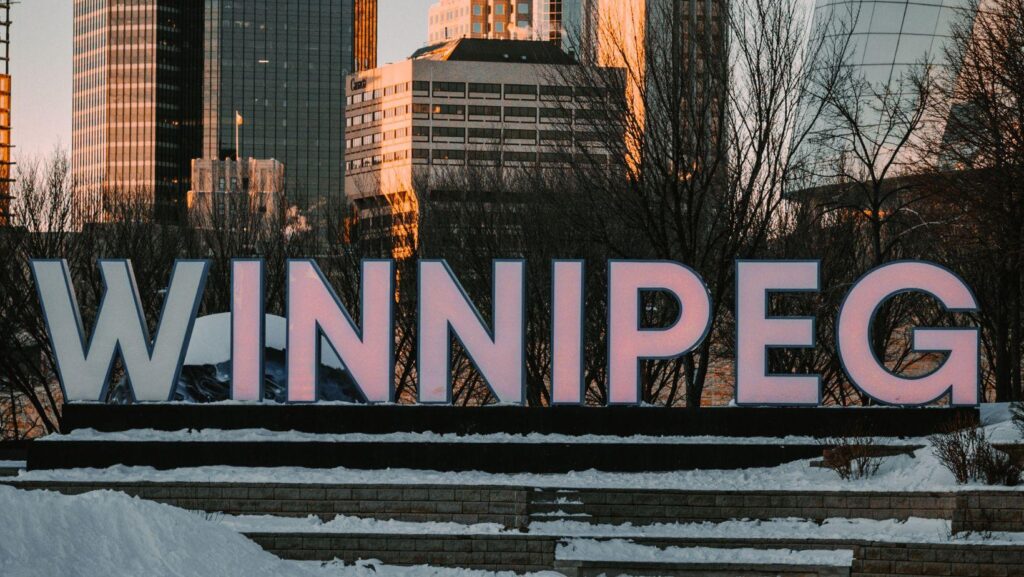
Winnipeg winters can bring extremely cold temperatures, making a reliable furnace essential for keeping your home comfortable and safe. When your heating system suddenly stops working during a cold snap, indoor temperatures can drop quickly. While some issues may have simple solutions, others require professional attention. Knowing the warning signs can help you determine when to call an HVAC technician.
1. Check for a Complete Furnace Shutdown With Provincial’s Furnace Repair Team
If your furnace will not turn on or suddenly stops producing heat, start with a few basic checks. Make sure your thermostat is set to heat and that the temperature setting is higher than the current indoor temperature. You can also check the furnace power switch and circuit breaker.
If these steps do not restore heating, there may be an electrical, ignition, or mechanical problem. Contacting Provincial’s furnace repair team can help identify the cause and determine the appropriate repair before your home becomes uncomfortably cold.
2. Watch for Unusual Noises or Burning Smells
A properly functioning furnace should not produce persistent banging, grinding, rattling, or squealing sounds. These noises may indicate loose components, blower motor problems, or other mechanical issues. Burning smells should also be taken seriously, particularly if they continue after the furnace starts running.
If you notice unusual odours or sounds, turn off the system when safe and arrange a professional inspection. Never ignore warning signs that could indicate overheating or electrical problems.
3. Pay Attention to Weak or No Airflow
When your furnace runs but produces little or no airflow, your home may struggle to maintain a comfortable temperature. A dirty air filter, blocked vents, damaged ductwork, or a malfunctioning blower motor could be responsible.
Start by checking whether the air filter needs replacement and making sure supply vents are not obstructed. If airflow remains weak after these basic checks, an HVAC technician can inspect the system and identify the underlying issue.
4. Recognize Signs of a Furnace Safety Problem
Certain furnace problems can create serious household safety risks. A natural gas smell may indicate a gas leak, while carbon monoxide exposure can cause headaches, dizziness, nausea, and confusion. Carbon monoxide is particularly dangerous because it cannot be detected through smell.
If you suspect a gas leak or carbon monoxide exposure, leave the property immediately. Contact emergency services or your gas utility provider from a safe location. Do not attempt to troubleshoot the furnace yourself.
5. Know When Frozen or Blocked Furnace Components Need Attention
High-efficiency furnaces use condensate drainage systems that can freeze during extremely cold weather. Snow, ice, or debris may also block exterior intake and exhaust vents, affecting normal operation.
When safe, check visible outdoor vents for obstructions. If the furnace continues shutting down or displaying an error code, contact a qualified technician rather than attempting internal repairs.
6. Avoid Repeated DIY Repairs During Extreme Cold
Repeatedly resetting a malfunctioning furnace may temporarily restart it without addressing the actual problem. Attempting electrical, gas, or mechanical repairs without proper training can also create additional risks. Basic troubleshooting is reasonable, but persistent problems should be handled by experienced HVAC professionals.
7. Call an HVAC Professional Before Indoor Temperatures Drop Too Low
During a Winnipeg cold snap, delaying furnace repairs can quickly become uncomfortable and potentially dangerous. Professional technicians can diagnose ignition failures, thermostat malfunctions, blower issues, and other heating problems. Scheduling service as soon as you notice persistent trouble can help restore reliable heating and prevent further complications.
Keeping Your Home Warm During Winnipeg Winters
Recognizing furnace warning signs can help homeowners respond quickly when their heating system fails. Basic troubleshooting, proper maintenance, and timely professional repairs are important for keeping your household comfortable throughout Winnipeg's coldest months.