
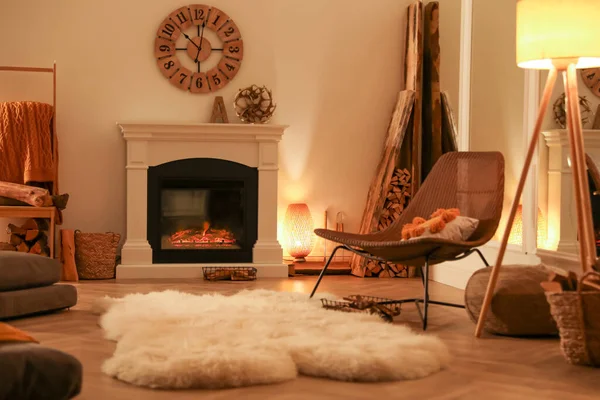
A cosy living room should feel comfortable the moment you walk through the door. It is where you relax after work, enjoy conversations with family, or spend a quiet evening watching television. However, creating that welcoming atmosphere involves more than adding cushions and blankets.
The right combination of lighting, furniture, colours, and personal touches can make even a small living room feel inviting. These ten cosy living room ideas will help you create a comfortable space without sacrificing style or practicality.
1. Choose Warm Colours That Make the Room Feel Inviting
Colour influences how a living room feels. Warm neutrals such as cream, beige, taupe, and soft brown create a comfortable background without making the room appear crowded.
You can introduce deeper colours through cushions, curtains, or an accent wall. Terracotta, olive green, and muted rust work particularly well with wooden furniture.
Before painting, test colour samples during daylight and evening hours. Artificial lighting can change how a shade appears.
2. Add an Electric Fireplace for a Relaxing Focal Point
A fireplace can make a living room feel more welcoming, especially during colder evenings. However, not every home has a chimney or space for a traditional fireplace.
An electric fireplace offers a practical alternative because it creates a flame effect without burning wood or gas. Certain models also provide adjustable supplemental heating.
Consider a wall-mounted design for smaller rooms or a built-in option for a more permanent appearance. Check electrical requirements, heating capacity, and installation clearances before choosing.
3. Layer Different Textures for Extra Comfort
A living room decorated entirely with smooth surfaces can sometimes feel cold, even when the colours are warm.
Combining different textures creates a softer atmosphere. Try placing a knitted throw over a fabric sofa, adding velvet cushions, or introducing a wool rug.
The trick is to balance materials rather than use everything at once. Three or four complementary textures are usually enough to create visual interest.
4. Use a Gas Fireplace to Create a Comfortable Gathering Area
If you prefer real flames, a gas fireplace can provide warmth while becoming an attractive centrepiece.
Arrange sofas and armchairs around the fireplace to encourage conversation. A coffee table between the seats makes the layout practical for everyday use.
Before installation, consider the room's size, available gas connections, and approved venting requirements. Professional installation is essential, and furniture must remain outside the manufacturer's required safety clearances.
5. Replace Harsh Lighting With Softer Alternatives
Bright ceiling lights are useful for cleaning or reading, but they can make a living room feel less relaxing in the evening.
Instead, combine several light sources. A floor lamp beside the sofa, a table lamp on a sideboard, and warm-white bulbs can create comfortable lighting.
Choose dimmable options where practical. This allows you to adjust brightness depending on whether you are reading, entertaining guests, or watching a film.
6. Refresh an Existing Fireplace With a Modern Insert
An older fireplace may have plenty of character but offer limited heating performance.
A gas fireplace insert is designed to fit into a compatible existing fireplace opening. It can provide controlled heating while retaining the surrounding brickwork or mantel.
However, not every fireplace can accommodate an insert. Have a qualified professional assess the opening, chimney condition, gas supply, and venting requirements before purchasing.
7. Bring Natural Materials Into the Room
Natural materials help soften interiors that contain modern furniture, painted walls, or electronic equipment.
Wooden coffee tables, woven baskets, linen curtains, and ceramic accessories introduce texture without requiring major changes.
Houseplants can also add colour and interest. Choose varieties suited to the available daylight, and check whether they are safe if you have pets.
8. Create a Comfortable Reading Corner
You do not need a separate room to create a peaceful reading area.
An unused corner can accommodate a supportive armchair, a small side table, and an adjustable reading lamp. Add a cushion and lightweight blanket for extra comfort.
Position the chair near a window if possible, but avoid blocking walkways. Keep frequently used books within reach to make the space genuinely useful.
9. Use Rugs and Curtains to Soften the Space
Bare floors and uncovered windows can make a living room appear unfinished.
A well-sized rug visually connects the furniture. Ideally, the front legs of your sofa and armchairs should rest on it.
Curtains introduce softness while providing privacy. Floor-length designs can also make windows appear taller, particularly when the curtain rod is positioned slightly above the frame.
10. Add Personal Details Without Creating Clutter
A cosy living room should reflect the people who use it.
Family photographs, favourite books, travel souvenirs, and meaningful artwork can give the room character. However, displaying too many objects may make surfaces look crowded.
Choose a few pieces that matter to you. Arrange smaller decorative items together and leave some open space so each arrangement feels intentional.
Conclusion
Creating a cosy living room does not require an expensive renovation or entirely new furniture. Thoughtful lighting, comfortable textures, suitable heating, and meaningful decorations can make a noticeable difference.
Start with the changes that suit your space and budget. Whether you update the lighting, rearrange the seating, or introduce a fireplace, the best cosy living room ideas combine everyday comfort with personal character.