
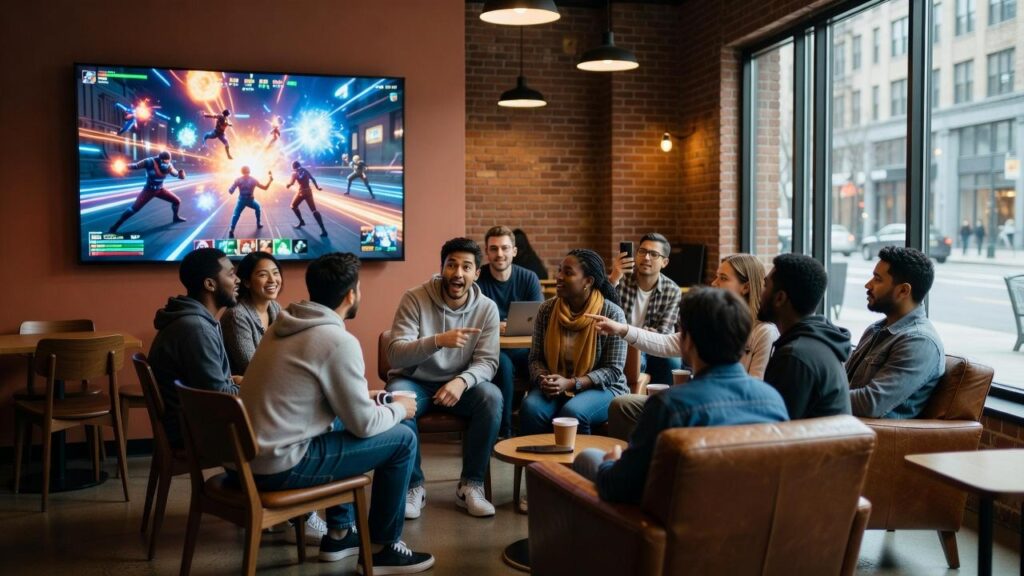
The Rise of Niche Communities and Hyper-Specific Platforms
Digital attention economics made ultra-narrow content financially sustainable. The long tail gained real value when production and distribution costs dropped. Gaming communities, ASMR creators, specialized education channels and adult content producers found dedicated followings that traditional gatekeepers would have ignored.
These services now cater to incredibly specific interests that would never survive in traditional media — from hyper-niche music genres to personal fetish items, where enthusiasts can directly discover authentic offerings like tangas usadas from independent creators and sellers. Mass recommendation engines on large networks frequently miss such granular demand. Dedicated marketplaces and community-driven solutions deliver stronger results in these categories. Members share precise preferences and domain expertise that generic algorithms cannot replicate. Engagement and retention rates rise significantly as a result.
Specialized spaces foster deeper loyalty than broad feeds. Participants actively contribute to curation through comments, ratings and direct feedback. This human layer improves discovery quality in fields where subtle distinctions matter greatly. The adult and fetish segments demonstrate this advantage most clearly. Community-driven sites achieve higher satisfaction scores because they connect people through shared specific interests rather than surface-level engagement metrics.
From Traditional Gatekeepers to Digital Discovery
Audiences once depended on a narrow set of channels to find new material. Television schedules dictated viewing times. Critics in newspapers and magazines influenced opinions. Friends shared recommendations through direct conversations and early social circles. Studios, television networks and editorial teams maintained tight control over distribution and visibility. Only projects with major marketing budgets or broad commercial appeal gained traction.
This model restricted choice. Catalogs stayed finite. Discovery relied heavily on word-of-mouth and established authorities. Younger viewers in particular felt frustrated by the lack of diverse options that matched their specific tastes.
Digital services dismantled that structure. Infinite libraries replaced scheduled programming. Studios and networks lost their monopoly on attention. Young users began exploring for hours instead of accepting what broadcasters offered at fixed times. Behavior changed dramatically. People now actively hunt for niche material rather than passively receive mainstream suggestions. The core question emerges: exactly how do these digital systems rebuild the entire process of finding new content?
The Dominance of Recommendation Algorithms
Recommendation systems now steer choices across Netflix, YouTube, TikTok and Spotify. These engines track watch time, engagement metrics, comments, shares and complex behavioral patterns. They build detailed profiles that evolve with every interaction.
Netflix experiments between 2024 and 2026 delivered clear evidence. Algorithm refinements lifted total consumption across the service. Views shifted away from a small group of blockbuster titles toward a much wider long-tail catalog. Personalized recommendations from streaming services currently influence 26% of viewing decisions. This percentage exceeds word-of-mouth impact, which stands at 23%.
Users stay longer because suggestions feel relevant. Niche titles gain sustainable audiences instead of fading after initial release. The systems actively reduce reliance on superstar names and expand the range of content that finds viewers. Engagement metrics climbed steadily as personalization improved. What once required luck or strong marketing now happens through precise pattern recognition.
Social Platforms and the New Viral Discovery Loop
Short-form video introduced an accelerated discovery cycle. TikTok For You Page, Instagram Reels and YouTube Shorts surface material based on immediate reactions rather than established popularity. Feeds abandoned strict chronological order in favor of algorithmic ranking that responds to pauses, rewatches and completion rates.
Gen Z users turned to in-app search and algorithmic suggestions far more than external search engines. Internal discovery on these networks became the primary entry point for new interests. Ordinary creators evolved into powerful distribution channels. A single well-timed short can propel obscure accounts to millions of viewers within hours.
Search queries in Google declined around 20% year-over-year in the United States through 2025. Social discovery and on-platform search on TikTok and YouTube filled the gap for younger audiences. The loop rewards quick attention hooks while allowing rapid testing of new ideas. Creators learned to optimize for these signals, producing material designed to trigger the algorithm early and often. This environment turned passive scrolling into active exploration of unexpected genres and creators.
How Changing Discovery Patterns Affect Creators and Monetization
Creators gained direct pathways to their audiences. They build personal communities instead of depending solely on editorial decisions or viral luck. New revenue streams emerged through subscriptions, pay-per-view content and fan funding models that reward consistent connection.
The creator economy expanded rapidly. Services focused on direct fan relationships reached more than 5 million creators and generated nearly $8 billion in gross payments by 2026. This growth highlights the power of hyper-niche discovery. Independent authors in specialized categories now sustain careers that once seemed impossible.
Income distribution remains uneven. Top creators capture disproportionate earnings while the middle tier struggles with algorithm changes and visibility fluctuations. Dependence on recommendation systems creates vulnerability. One update can dramatically alter reach overnight.
Despite these pressures, independent voices found fresh opportunities in niche categories. Direct monetization tools allow sustainable businesses around small but highly engaged audiences. Creators who understand their community’s exact preferences outperform those chasing mass appeal. The shift rewards authenticity and consistency over broad but shallow attention.
Challenges, Risks, and the Future of Content Discovery
Filter bubbles narrowed exposure to opposing viewpoints and unexpected genres. Algorithmic fatigue set in as suggestions began to feel repetitive. Serendipitous encounters declined when systems optimized too aggressively for predicted preferences. Questions around content quality, echo chambers and ethical data use grew louder among researchers and users alike.
Generative AI will likely accelerate personalization further. AI agents could act as personal curators that understand context, mood and long-term interests better than current systems. Voice search, virtual reality environments and augmented reality interfaces will introduce spatial and conversational discovery methods. Decentralized protocols may reduce dependence on single corporate algorithms and give users more control over their data and preferences.
Audiences and services together can steer toward healthier patterns. Conscious curation choices, transparency about how systems work and support for diverse voices will determine whether discovery becomes richer or more fragmented. The next decade will test whether technology can balance relevance with genuine variety. Those who engage deliberately with these tools will shape what comes next.